Filmy
 | Nina is a talented but unstable ballerina on the verge of stardom. Pushed to the breaking point by her artistic director and a seductive rival, Nina's grip on reality slips, plunging her into a waking nightmare. |
 8/10
8/10





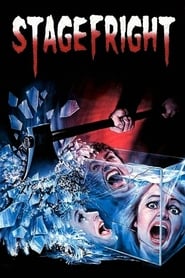 | StageFright (1989)[brak katalogu] A group of stage actors lock themselves in the theater for a rehearsal of their upcoming musical production, unaware that an escaped psychopath has sneaked into the theater with them. |




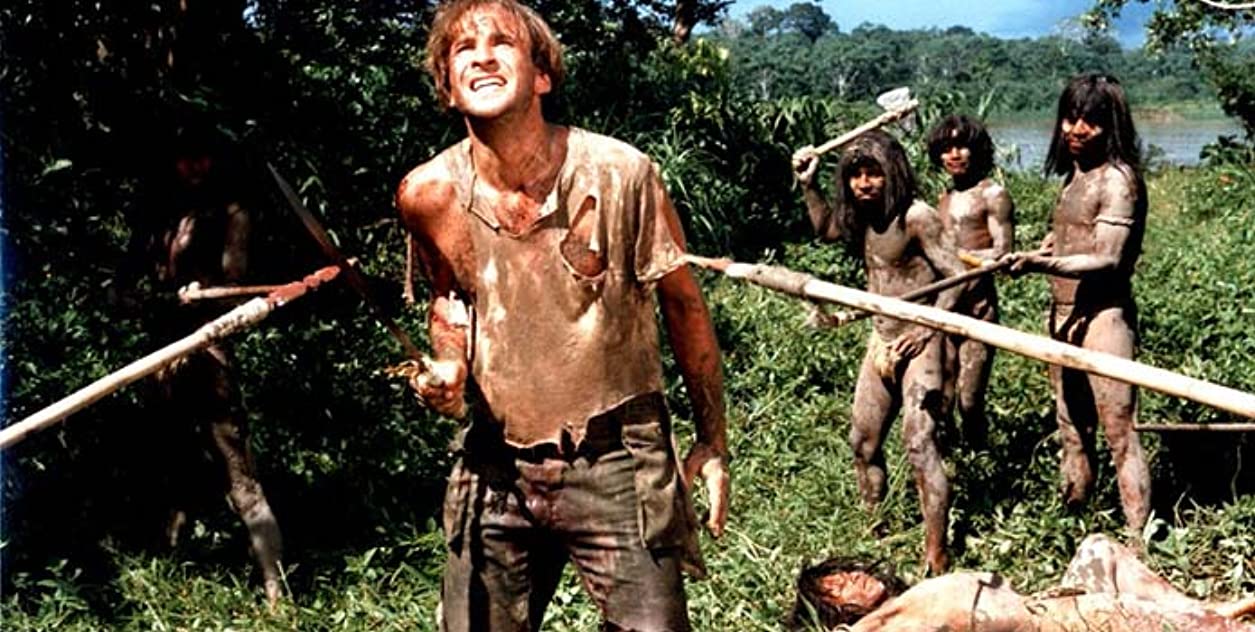
 | Camilla (1994)[brak katalogu] Vincent and Freda Lopez are a young married Toronto couple who both indulge in the arts, Vince as an artist and Freda as a musician/composer. Their marriage is not as secure as it may seem on the surface as Vince sees Freda's music as purely a hobby, while she sees it as her vocation, despite feeling insecure about it. The two drive to Savannah, Georgia for a vacation, where they meet mother and son Camilla and Harold Cara, a former concert violinist and a B-movie producer respectively. There is an immediate bond between Camilla and Freda because of their music, and because of the unconditional support Camilla provides to Freda concerning her music that Vince will or cannot. Their bond is also despite the obvious exaggerated stories Camilla tells of her life. After Vince and Harold leave to work on a joint project and after Freda and Vince have an argument following about her musical career, Freda asks Camilla to drive back to Toronto with her to attend a concert of Brahms' violin concerto at the Winter Garden Theatre, which would mirror Camilla's own performance of the same piece at the same venue years earlier. Camila accepts. The women's journey is not only filled with adventure (especially after a mishap with Vince's car) but also one of coming to terms with their past and their future. Meanwhile, Vince and Harold come back to Savannah to find the two women gone. As Vince and Harold look for Freda and Camilla, each of the men eventually have to reconcile their own broken relationship with the woman in their respective life. |


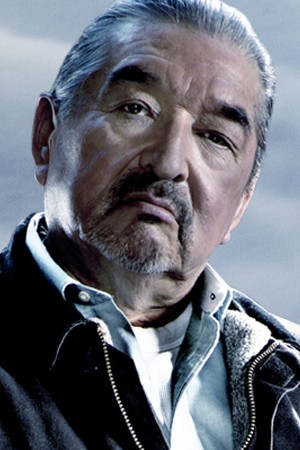

 | Henry's Crime (2010)[brak katalogu] Released from prison for a crime he didn't commit, an ex-con targets the same bank he was sent away for robbing. |
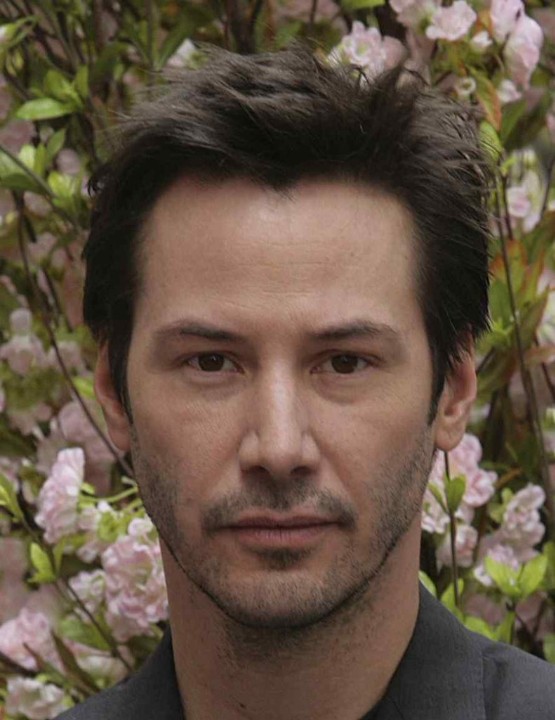

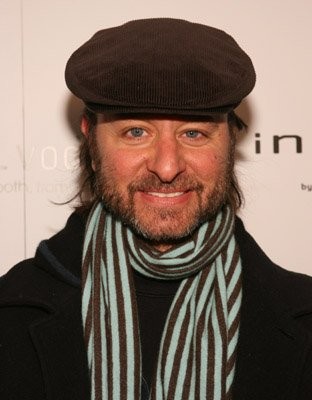


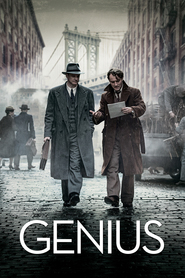 | Genius (2016)[uszkodzony] When, one day of 1929, writer Thomas Wolfe, decided to keep the appointment made by Max Perkins, editor at Scribner's, he had no illusions: his manuscript would be turned down as had invariably been the case. But, to his happy amazement, his novel, which was to become "Look Homeward, Angel", was accepted for publication. The only trouble was that it was overlong (300 pages) and had to be reduced. Although reluctant to see his poetic prose trimmed, Wolfe agreed and helped by Perkins, who had become a true friend, with the result that it instantly became a favorite with the critics and best seller. Success was even greater in 1935 when "Of Time end the River" appeared, but the fight for reducing Wolfe's logorrheic written expression had been even longer, with 5,000 pages, Perkins managed to cut 90,000 words from the book, and bitter ultimately taking its toll, the relationships between the two men gradually deteriorating. Wolfe did not feel grateful to Perkins any longer but had started... |